

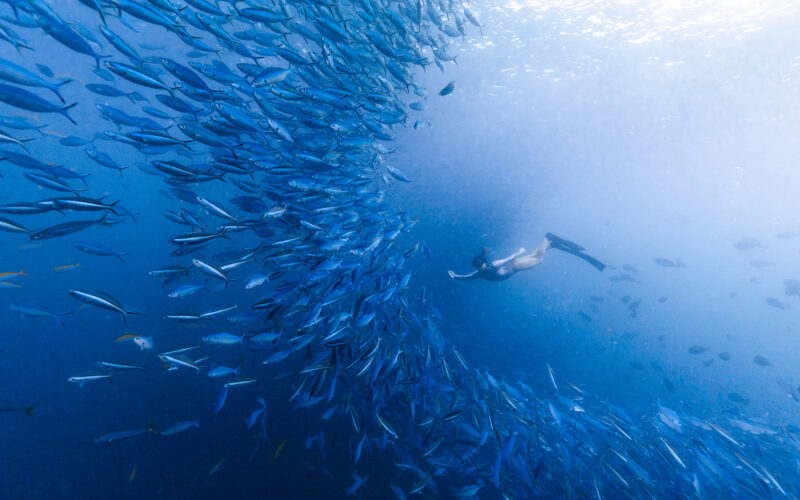
Top destinations, unforgettable marine life, and why being prepared matters
June is one of the most underrated yet rewarding months for scuba diving and freediving. Sitting right on the edge of peak travel season, it offers a rare combination of incredible marine life encounters, favourable conditions, and fewer crowds in many of the world’s best dive destinations.
June delivers exceptional diving opportunities from bucket-list liveboard trips, to remote island locations to a last-minute European getaway. With more ambitious trips and bigger marine life comes a greater need for preparation, awareness, and the right protection.
Let’s take a closer look at why June stands out.
The Locations that Make June is One of the Best Months to Dive.
Maldives: Manta Ray Season Begins in the Eastern Atolls
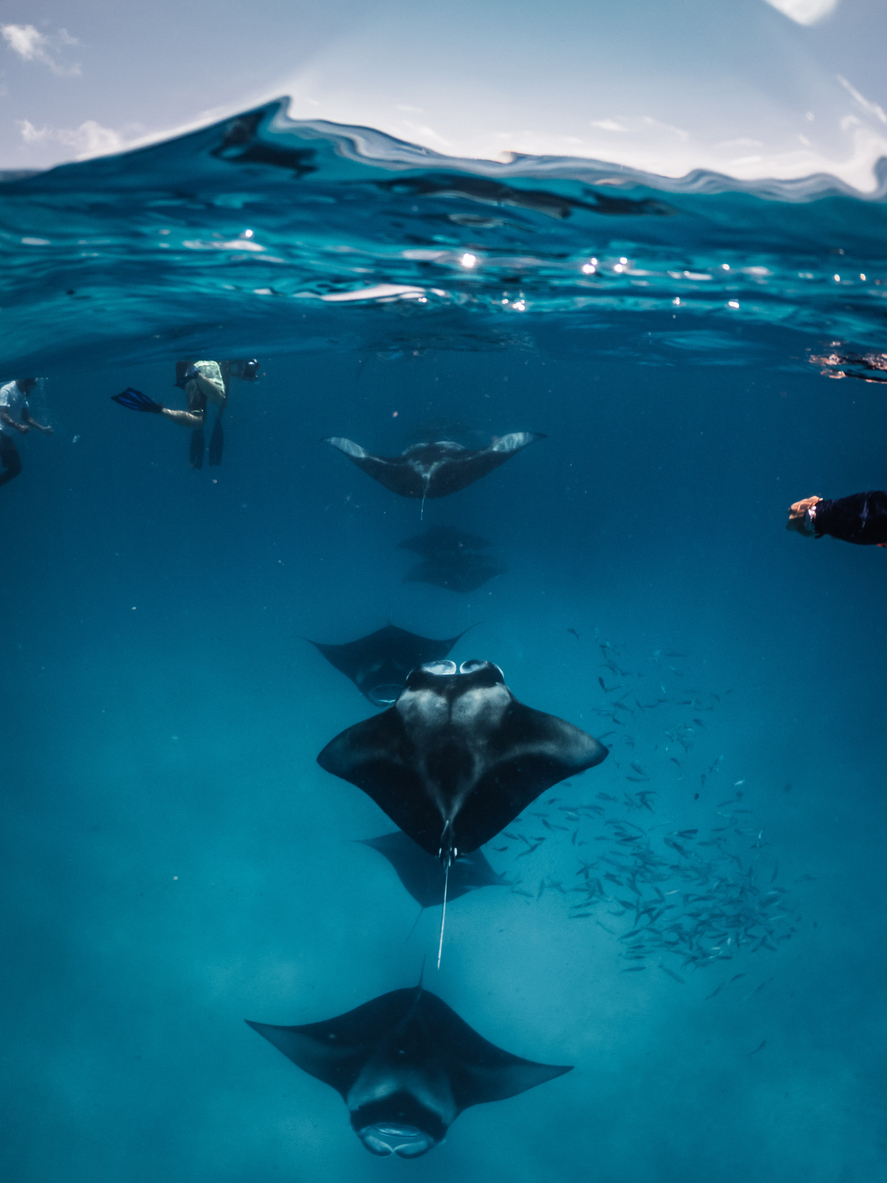
June marks the beginning of the manta ray season in the eastern atolls of the Maldives. Baa Atoll is the most famous manta ray location and is where divers and snorkellers can witness dozens, sometimes hundreds, of manta rays feeding in cyclone formations.
While conditions can be more dynamic due to monsoon changes, this is exactly what attracts the plankton…and the mantas that are looking to feed from the plankton.
What to consider:
When planning a trip to the Maldives to see manta rays, choosing the right location is essential. Manta rays are present year-round, but their movements follow the monsoon seasons. From May to November, they are mainly found on the eastern atolls, while from November to May, they shift to the western side. If you travel to the wrong region at the wrong time, your chances of seeing mantas drop significantly.
Seasonal changes also bring stronger currents and shifting conditions, so good dive planning and awareness are important.
If your goal is to visit the famous Hanifaru Bay, where hundreds of manta rays and sometimes even whale sharks gather, it is important to know that diving is not permitted. The site is strictly limited to snorkelling only, with controlled access and close monitoring to protect marine life.
Galápagos & Cocos: Pelagic Action
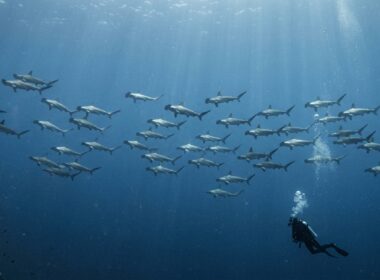
June kicks off peak season for large pelagic encounters in the Pacific Ocean. It is a great time to visit Galápagos or Cocos island and enjoy some fantastic encounters. Watch in awe as schools of hammerhead sharks swarm over head, enjoy the thrill of some high-energy drift dives joined by large pelagic game fish and just when you think you have seen it all a whale shark causes a shadow over your whole dive group.
What to consider:
Keep in mind that these are some of the most thrilling dives on the planet, but they are also advanced environments. Even if a dive center or liveaboard operator allows you to dive without being advanced certified we highly recommend getting experience diving in currents and having 30 – 50 dives under your belt before attempting these destinations.
Cold water, strong currents, and remote locations mean preparation is essential.
Sea of Cortez – Mobula Ray Migration
One of nature’s most spectacular events happens in June: thousands of mobula rays migrating and breaching in Baja California.
This is a unique mix of diving and snorkelling experiences, often in open water.
What to consider:
Open ocean conditions and boat-based excursions require strong situational awareness.
Mediterranean: Europe at Its Best
June is arguably the best month to dive in Europe. The mediterranean sea offers template waters but not overcrowded dive sites. Excellent visibility when diving at the right time of day and mostly calm seas between June and September.
Destinations like Spain, Corsica, Sardinia, and Croatia offer relaxed diving that suits all levels.
What to consider:
Perfect for beginners, divers wanting to refresh their skills or divers looking to learn new skills and become advanced divers, specialise in cave or wreck diving or even to go further into technical diving.
Why Marine Life Is So Good in June
June sits at a seasonal transition point in many regions:
Which means, large plankton blooms that attract large animals, this is the season for migrations, many marine mammals or larger fish begin their migrations during this period, which means you are more likely to spot them in large schools.
In many areas June is breeding season, which increases marine life density around the reef.
All this combined, creates a perfect storm for high-energy, memorable encounters, from manta rays to sharks to massive schools of fish.
Diving in June: Bigger Experiences, Smarter Preparation
With better encounters often come more challenging conditions. June diving can also mean stronger currents, especially in places like the Galápagos, Cocos and Sea of Cortez. To enjoy some of June’s best dive sites you may need to travel further afield to remote locations, for this reason, you may want to consider a full blown diving vacation and decide to go on a liveaboard trip to fully submerge yourself in the experience and maximise your dives and chances of fantastic encounters.
This is not a reason to avoid diving. It simply means that preparation becomes part of the experience.
How to Dive Safely in June
- Choose dive sites that match your experience level
- Refresh your skills if you have not dived recently
- Stay within your training and comfort zone
- Listen carefully to dive briefings
- Dive with experienced professionals
- Check your DiveAssure coverage is active and if not, renew your diving accident coverage or consider upgrading to a diving and travel plan to cover all your trip needs in the event of something not going as planned.
Most importantly:
Be prepared for the unexpected
Why Dive Insurance Matters More Than Ever
Many of the world’s top diving destinations in June offer truly unforgettable experiences, but they often have one thing in common: they are located in remote areas. Reaching these destinations can involve multiple flights, boat transfers, or extended travel times, and many are situated far from major cities and advanced medical facilities.
While diving incidents are rare, being prepared is an important part of responsible dive travel. In the unlikely event of an emergency, access to hyperbaric treatment, medical evacuation services, and coordinated specialist care can have a significant impact on the outcome.
This is where specialised diving coverage becomes particularly valuable. Unlike standard travel insurance, plans designed specifically for divers take into account the unique risks and challenges associated with diving and remote travel.
DiveAssure’s diving accident and dive & travel plans are built with divers in mind, providing coverage for emergency medical treatment, hyperbaric chamber expenses, evacuations from remote locations, and both diving and travel-related incidents. With direct payment arrangements to medical providers whenever possible, divers can focus on receiving the care they need rather than dealing with financial or administrative stress during an emergency.
When planning your next underwater adventure, peace of mind can be just as important as choosing the right destination.
Dive June With Confidence
June is not just another month. It is a window of opportunity.
Fewer crowds – Incredible marine life – Some of the best dive conditions of the year
With the right preparation, the right mindset, and the right protection, you can turn every dive into a confident and unforgettable experience.
Plan your next dive adventure and make sure you are covered before you go.
Frequently Asked Questions:
Is June a good time for scuba diving?
Yes, June offers excellent diving conditions worldwide, including strong marine life activity and good visibility in many regions.
Where is the best place to dive in June?
Top destinations include the Maldives, Galápagos, Cocos Island, Sea of Cortez, and Mediterranean locations like Spain and Croatia.
Do I need diving insurance for a June trip?
It is highly recommended, especially for remote or liveaboard trips where access to medical care may be limited. Get covered here.