

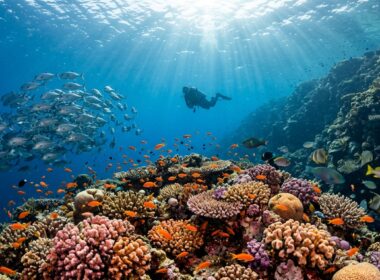
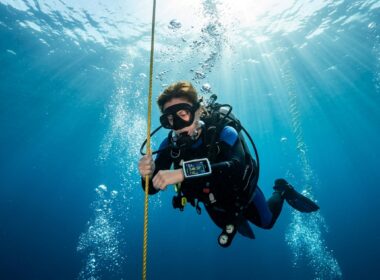


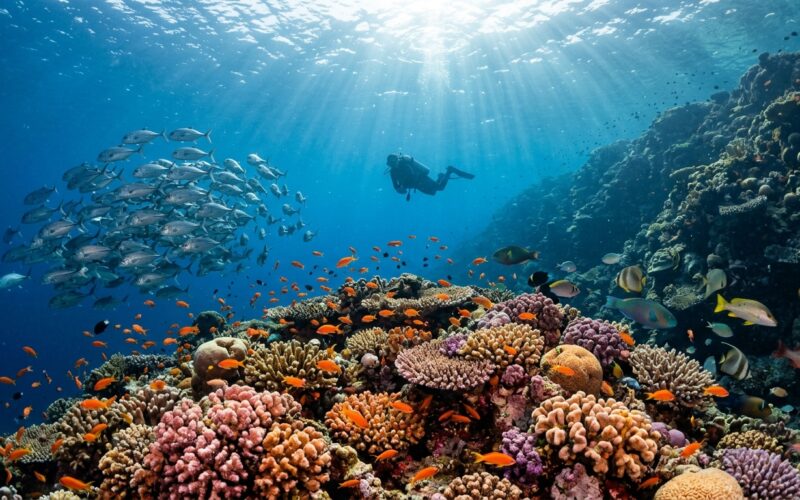
Most of us have felt it. That moment when you drop onto a reef inside a well-managed no-take zone and realise the fish are bigger, the corals look healthier, and the whole place hums with life in a way that other sites simply do not. That difference is not luck. It is the result of Marine Protected Areas, the ocean’s version of national parks, and the quiet work of the people who run them, fund them, and dive them responsibly.
As divers, we sit in a unique position. We see the ocean up close, we spend money in coastal communities, and we tell stories that shape how others perceive the sea. That gives us real influence over whether protected waters thrive or fade. Below are eight ways to put that influence to good use.
Introduction: Why Marine Protected Areas Matter
A Marine Protected Area, or MPA, is a defined stretch of ocean where human activity is managed to conserve ecosystems, species, or cultural heritage. Some ban fishing entirely. Others regulate anchoring, extraction, or the number of visitors. The strictest are known as no-take reserves, and the science on them is clear: given time and enforcement, fish grow larger, reproduce more, and spill over into surrounding waters, benefiting local fisheries as well as biodiversity.
For divers, the benefits are tangible. Better visibility on healthy reefs. Bigger predators. Encounters that feel wild rather than curated. But protection is fragile. Many MPAs exist on paper only, underfunded and unenforced. That is where we come in.
1. Choose Dive Operators Based Inside or Near MPAs
Where you spend your dive budget matters. Operators working inside protected zones often pay park fees, employ local rangers, and follow stricter briefings. By choosing them, you are directly funding the infrastructure that keeps the area protected.
Before you book, ask a few simple questions. Does the operator contribute to park fees or conservation funds? Do they follow mooring buoy policies rather than anchoring? Do their guides brief divers on specific rules for the reserve? If the answers are vague, keep looking. Operators who take conservation seriously are usually proud to talk about it.
2. Learn the Rules Before You Splash
Every reserve has its own quirks. Some ban gloves to discourage handling. Some prohibit torches near certain species at night. Others restrict depth or require guides at all times. Reading the rules is not bureaucratic box-ticking, it is respect for the place you have travelled to see.
A five-minute read of the park’s website before your trip saves awkward conversations later and stops you from accidentally damaging the very habitat you came to enjoy. If information is hard to find, ask your operator for a written briefing. Good ones will have it ready.
3. Master Your Buoyancy Before You Get There
Nothing undoes conservation work faster than a fin kick through soft coral. Inside a protected area, where fragile ecosystems have often taken decades to recover, poor buoyancy causes real damage. If your last dive was six months ago and you are heading somewhere sensitive, book a refresher or a shore dive to reset your trim before you touch the reef.
Small habits help too. Keep gauges and octopuses clipped in. Approach subjects from below rather than above. Hover instead of finning when you stop to look at something. If you are still working on these skills, that is completely normal, and there is no shame in taking a coaching dive before the main event. Our friends at the sustainable diving community have written more on this in Being a More Sustainable Diver, which is worth a read before your next trip.
4. Pay the Park Fees Willingly
Park fees can sting, especially on top of already expensive travel. But in most MPAs, those fees are the single biggest source of funding for patrols, mooring maintenance, and community outreach. Skipping them, or grumbling at the counter, undermines the entire system.
Think of it as the entry ticket to a place that only exists because someone fought to protect it. In places like the Galapagos, Raja Ampat, Bonaire, or Sipadan, the fee you pay is often the reason the reef is still worth diving. Pay it, keep the receipt, and consider it part of the cost of witnessing something rare.
5. Report What You See
Divers are among the best eyes and ears an MPA has. Illegal fishing, damaged mooring lines, unusual bleaching events, tagged sharks, sightings of rare species, all of these are useful data points for park managers.
Many reserves now run citizen science programmes through apps and simple reporting forms. Some operators log sightings after every dive. If yours does not, ask why. Even a quick note to a ranger station can trigger a follow-up. You do not need a marine biology degree to be useful. You just need to pay attention and speak up.
6. Travel Prepared, Dive with Confidence
Diving in remote reserves often means long boat rides, limited medical facilities nearby, and unfamiliar conditions. That is part of the appeal, but it also means preparation matters more than usual. Knowing the nearest chamber, having emergency contacts saved, and carrying dive-specific coverage is not paranoia, it is basic respect for the environment you are entering.
This is where our membership at DiveAssure fits naturally into a conservation-minded trip. When you dive with proper dive and travel protection in place, you can focus on the reef and the rules rather than the what-ifs. We support recreational divers, freedivers, technical divers, and professionals equally, because everyone visiting a protected area deserves the same peace of mind. It also means that if something does go wrong, you are not draining resources meant for local emergencies.
7. Support Conservation Beyond Your Dive Trip
The dive itself is only part of the story. MPAs need long-term funding, political backing, and public awareness to survive. That work happens all year, not just during your holiday week.
There are simple ways to stay involved once you are home. Donate to the specific reserve you visited rather than a generic ocean charity. Follow the park’s social channels and amplify their campaigns. Vote for candidates and policies that expand marine protection. If you are a dive professional, consider becoming a certified conservation guide or hosting fundraising trips. For more concrete ideas, our piece on 10 Ways to Support Ocean Health is a good starting point.
8. Be Honest About the Trade-offs of Dive Tourism
Here is the uncomfortable part. Dive tourism itself puts pressure on MPAs. Boat traffic, sunscreen chemicals, sewage, plastic waste, and the sheer number of divers can degrade the very sites we want to protect. Pretending otherwise helps no one.
Being honest means making choices. Fewer, longer trips instead of many short ones. Reef-safe sunscreen. Refillable bottles. Skipping the printed souvenirs. Choosing liveaboards and resorts that publish their environmental practices rather than just claim them. It also means accepting that some sites should have visitor caps and welcoming those limits rather than resenting them.
9. Bring Someone New Into the Conversation
Consider this a bonus tip. Every diver reading this once had a moment when the ocean stopped being scenery and started being something worth defending. Someone probably nudged them toward it. Do the same for someone else. Take a new diver to a well-managed reserve. Explain why the rules exist. Show them the difference between a protected reef and a tired one. The next generation of MPA supporters will not appear on their own.
Closing Thoughts
Marine Protected Areas work when people show up for them, financially, physically, and vocally. As divers, we get more from these places than almost anyone. It is fair that we give back in equal measure. Choose your operators carefully, respect the rules, log what you see, and travel prepared. The reefs that stayed vivid in your memory are the ones someone else is fighting to keep that way.
Dive with intention, and the ocean will keep rewarding you.
Summary
Marine Protected Areas are ocean zones where human activity is managed to protect ecosystems, coral reefs, and marine species. They matter because they allow fish populations to recover, safeguard biodiversity, and give divers healthier, wilder underwater experiences. Divers can support MPAs by choosing operators inside reserves, learning local rules, mastering buoyancy, paying park fees, reporting sightings, and travelling prepared with DiveAssure coverage in place. Long-term support through donations, advocacy, and mindful travel matters just as much as behaviour on the dive itself.