



1. Reduce, Reuse, Recycle for Ocean Health
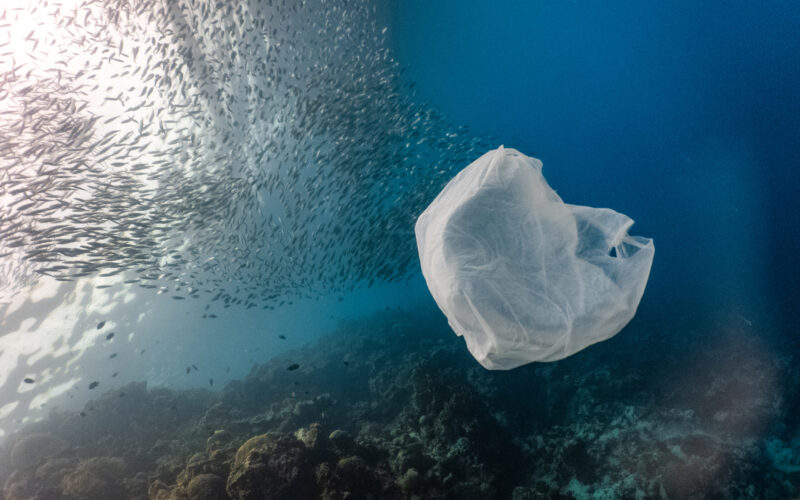
A popular mantra that encourages sustainable practices to minimize waste generation and conserve resources. Here’s how you can apply these principles: Reduce: Focus on reducing your consumption and waste generation. Opt for products with minimal packaging, choose durable and long-lasting items over disposable ones, and buy only what you need. By reducing your consumption, you minimize the amount of waste that ends up in landfills or the ocean. Reuse: Instead of throwing things away after a single use, find ways to reuse or upcycle them. Use reusable water bottles, coffee mugs, and shopping bags. Repair and refurbish items when possible rather than replacing them. Donate or sell items that are still in good condition but no longer needed. Embrace creativity and find new purposes for old items. Recycle: Recycling involves converting waste materials into new products. Make sure to separate recyclable materials like paper, plastic, glass, and metal from your general waste. Check your local recycling guidelines to ensure proper sorting and disposal. By recycling, you help conserve resources, reduce energy consumption, and minimize the amount of waste that goes to landfills. All these actions contribute positively to our oceans health.
2. Improve Your Carbon Footprint and Thus the Health of the Ocean
Improving your carbon footprint involves reducing greenhouse gas emissions, especially CO2. Here are effective ways to improve the oceans health:- Energy conservation: Turn off lights and appliances when not in use, use energy-efficient LED bulbs, and unplug devices in standby mode. Set your thermostat to an energy-saving temperature and insulate your home to reduce heating and cooling needs.
- Transportation choices: Walk, bike, or use public transport for short trips. Rideshare to reduce vehicle numbers on the road. Consider fuel-efficient or electric vehicles and plan journies to minimize mileage.
- Renewable energy sources: Install solar panels or purchase clean energy from renewable providers. Support renewable energy projects through green energy programs if installation isn’t feasible.

- Sustainable diet: Reduce meat and dairy consumption, as their production is resource-intensive and high in emissions. Opt for more plant-based meals, which generally have a lower carbon footprint.
- Water conservation: Fix leaks, take shorter showers, and collect rainwater for outdoor use. Avoid wasteful practices like leaving taps running, especially in remote areas with limited water supply.
- Offset your emissions: Invest in reputable carbon offset programs that support reforestation, renewable energy, or methane capture projects.
3. Eat Fish Responsibly
Eating fish responsibly is important for sustainable fishing practices and safeguarding our oceans health. Opt for farmed shellfish like mussels, oysters, and clams, as they have low environmental impact and contribute to water quality improvement. Small oily fish such as sardines and anchovies are sustainable choices, offering rich nutrients like omega-3 fatty acids. Support local fisheries with better management practices, identified through certifications like MSC, and avoid seafood from large commercial wild-fishing industries, which can harm marine ecosystems. Diversify your choices to alleviate pressure on specific species and stay informed using resources like Seafood Watch for a more sustainable and balanced approach to seafood consumption. (Farmed shellfish, small oily fish, local fisheries, avoid large commercial wild-fishing industries) Discover more here: Sustainable Seafood Consumption: Tips for Eco-Friendly Dining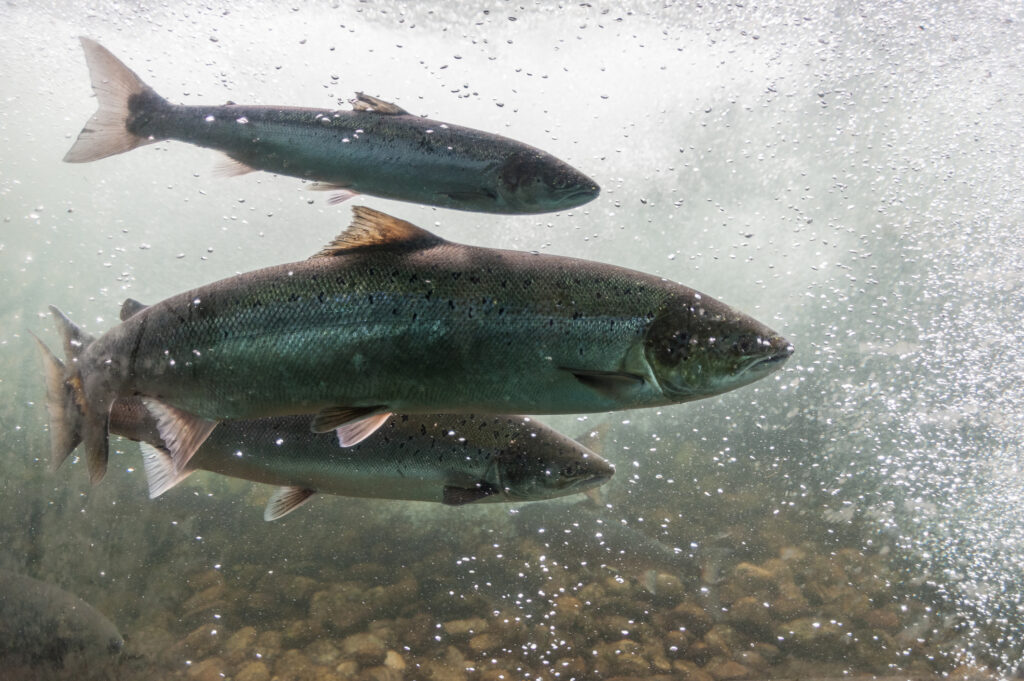
4. Avoid Ocean Harming Products
Avoiding ocean-harming products, especially products that end up in the waterways, like shampoos, soaps, cleaning products, and sun lotions, is a sure way to improve our oceans health. For more info on reef-safe sunscreens check out: Plastic free and reef safe sunscreens – Do they exist? Avoiding ocean-harming products is crucial for protecting marine ecosystems. Here are some tips for making environmentally friendly choices:- Microplastics and Microbeads: Avoid personal care products with microbeads or microplastics, such as certain face scrubs and toothpaste. Opt for natural exfoliants like salt or sugar-based scrubs instead.
- Reef-Safe Sunscreens: Chemical sunscreens with oxybenzone and octinoxate harm coral reefs. Use mineral-based sunscreens with zinc oxide or titanium dioxide, which are reef-safe and effective.
- Phosphate-Free Cleaning Products: Phosphates in detergents and cleaners contribute to harmful algal blooms and water pollution. Choose phosphate-free or eco-friendly alternatives like vinegar, baking soda, and plant-based cleaners.
- Avoid Products Containing Triclosan: Triclosan, found in soaps and toothpaste, is harmful to aquatic life and contributes to antibiotic resistance. Opt for triclosan-free or natural and organic products.
- Responsible Disposal: Properly dispose of hazardous products like batteries, paints, and chemicals at designated sites or recycling centers. Avoid flushing medications down the toilet to prevent them from contaminating waterways. Follow local disposal guidelines.
5. Dive Responsibly to Conserve our Oceans Health
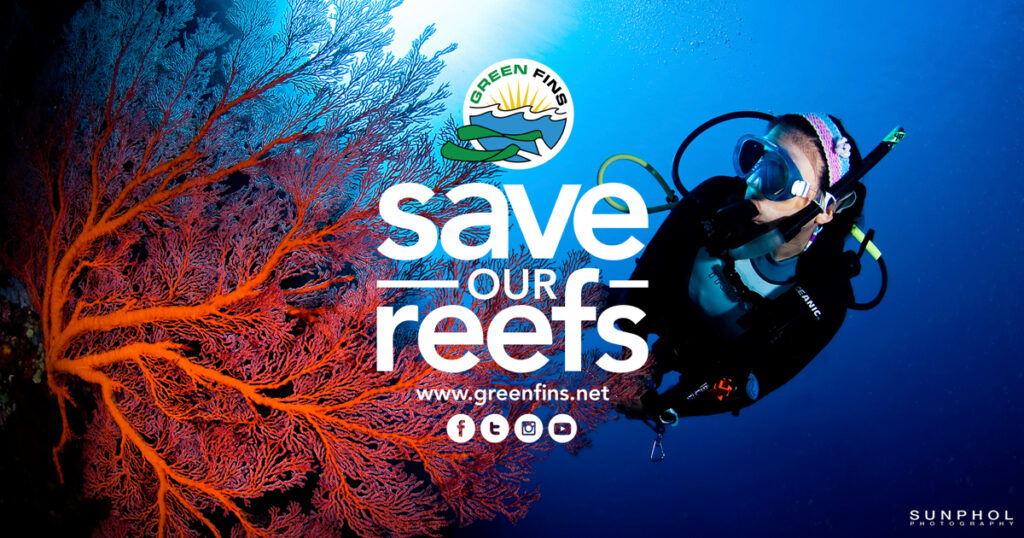
Diving responsibly and choosing eco-tourism companies are vital for minimizing the impact on marine ecosystems and promoting sustainable practices. Here’s how to dive responsibly and support eco-friendly diving:- Choose certified operators: Opt for dive operators with eco-tourism certifications like Green Fins or Blue Flag.
- Research sustainability practices: Check if the company uses fuel-efficient boats, follows responsible diving guidelines, and supports local conservation.
- Dive in marine protected areas (MPAs): These areas conserve and restore ecosystems, promoting preservation.
- Respect marine life: Maintain distance from marine creatures, avoid touching corals, and prevent reef damage by not anchoring.
- Minimize gear impact: Use eco-friendly diving equipment and ensure proper maintenance to extend its lifespan.
- Participate in citizen science: Contribute to research by documenting species sightings and environmental changes.
- Support local conservation: Dive with operators involved in local conservation projects to support their efforts and the local economy.
6. Gain Knowledge
To support the oceans health, educate yourself on its ecosystems and the impact of human activities. Stay updated on scientific research and engage in marine conservation through volunteering and advocacy. Green Fins, a global initiative by The Reef-World Foundation, offers resources for divers and professionals to promote sustainable diving. Purpose of Green Fins: This initiative guides dive and snorkel operators in implementing sustainable practices, focusing on environmental best practices, developing an eco-friendly dive industry, and education. Best Practices: Green Fins provides comprehensive guidelines on responsible diving and snorkeling techniques, waste management, anchoring, and protecting sensitive marine ecosystems. Assessments and Certification: Green Fins assesses dive and snorkel operators for compliance with their environmental practices. Certified operators meet high standards, reassuring environmentally conscious divers and snorkelers of their commitment to sustainability. Knowledge and Resources: Green Fins offers guidebooks, training materials, case studies, and information on sustainable marine tourism. These resources educate divers, snorkelers, and operators about protecting marine ecosystems. Online Learning: Green Fins provides interactive e-learning courses on environmental best practices, coral reef ecology, and sustainable dive operations. These courses allow individuals to deepen their understanding of sustainable diving at their own pace. To learn more, visit their official website at www.greenfins.net and explore their resources.