

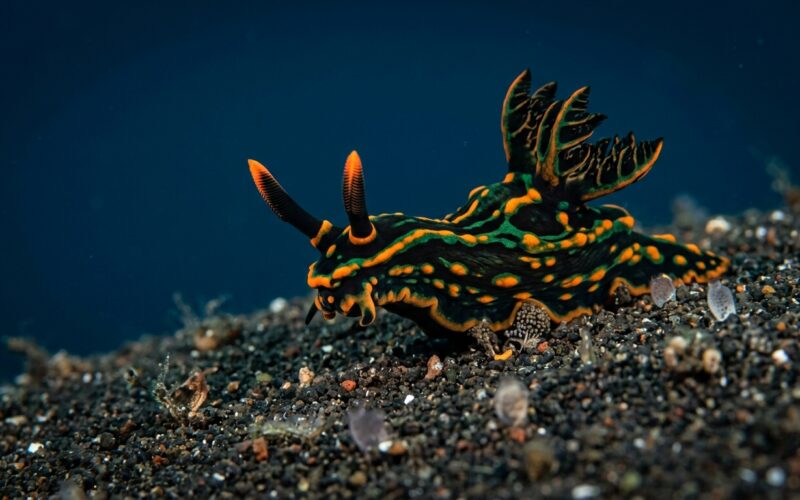
Tiny, impossibly coloured, and endlessly surprising, nudibranchs turn even the muddiest dive site into a treasure hunt.
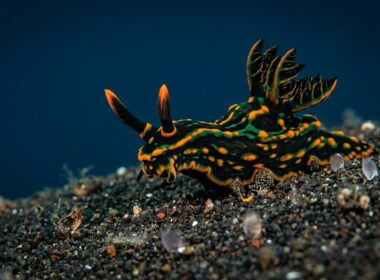
The first time I truly saw a nudibranch, I almost missed it. My guide in Lembeh tapped his tank, pointed at a smear of black sand, and waited. I hovered closer. Nothing. Closer still. And then, like a magic eye picture resolving itself, a creature appeared: electric blue stripes, orange rhinophores lifted like antennae, feathery gills swirling in the current. It was no bigger than my thumbnail.
I remember thinking, how did I ever dive without noticing these?
That is the quiet trick of nudibranchs. Once you learn to see them, you cannot unsee them. Every reef becomes a jewellery box.
They are everywhere, if you slow down enough to look.
There are more than three thousand known species of these soft-bodied sea slugs, and marine biologists keep describing new ones. Some are the size of a grain of rice. Others, like the Spanish dancer, can stretch longer than your forearm and ripple through the water column like a flamenco skirt. Their colours are not decoration. They are warnings, borrowed defences, and chemical signals, honed over millions of years of evolution.
Learning to See the Smallest Things
Finding nudibranchs is less about luck and more about rhythm. You slow your breathing. You stop kicking. You let your eyes drift across the reef instead of scanning it like a radar.
Good guides in places like Lembeh Strait, Anilao, and Dauin have an almost supernatural eye for them. They know which species prefer which hydroids. They know that a Phyllodesmium favours a particular soft coral.They know that if you find a nudibranch in a certain place, its eggs are often nearby. These delicate spirals look like pink lace glued to the substrate.
If you are planning a trip built around these creatures, Indonesia is hard to beat. Our travel guide to diving Indonesia maps out the regions where macro life flourishes, from the volcanic sands of North Sulawesi to the biodiversity hotspot of Raja Ampat.
But you do not need a plane ticket to the Coral Triangle. Nudibranchs live almost everywhere there is seawater. Cold-water divers in British Columbia hunt for giant orange peel species. UK divers find them on wreck lines. Mediterranean divers spot flabellinas drifting on seagrass. The jewels are universal.
When Curiosity Becomes a Hazard
This is where the story gets real. Macro diving may look peaceful from the outside, but in reality it is one of the easiest ways to unintentionally damage a reef.
I have watched talented photographers, people who care deeply about the ocean, inch so close to a tiny slug that their fins stirred up a cloud of sand over a coral head behind them. I have done it myself. The intensity of focus narrows your awareness until the only thing that exists is the viewfinder.
That tunnel vision is where small accidents happen. A scraped knee on fire coral. A fin tip through a sponge. A regulator bumping a bommie. If you have ever experienced the aftermath of a brush with the reef, our piece on coral injuries and how to treat them is worth bookmarking before your next trip.
Why the risk is real:
- Macro subjects pull your attention away from your body position and surroundings.
- Many nudibranchs live on fragile hydroids, sponges, or soft corals that break at the slightest touch.
- Hovering motionless in current pushes some divers to grab the reef for stability.
- Repeatedly adjusting strobe lights and repositioning for the perfect shot can tempt divers to stay underwater longer than their air supply or no-decompression limits safely allow.
What to do instead:
- Dial in your buoyancy before you ever lift a camera. Our guide to buoyancy skills is a good refresher.
- If you need to steady yourself, use a single finger on a bare patch of rock or sand between reef areas. Never on a living coral or animal, keep a lookout for scorpionfish or stone fish that can be extremely camouflage.
- Approach from downcurrent and set up your shot before you move in close.
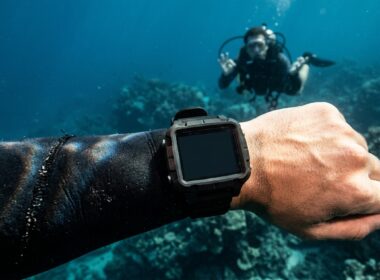
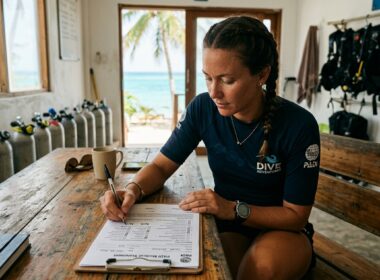
- Set a strict turn-around time and ascent time based on your planned bottom time, not just your remaining air supply.
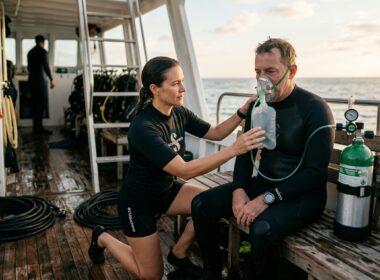
- Travel with coverage you trust. We offer membership built specifically for divers, so a scraped hand or an ear infection on a remote muck site does not become the thing you remember from the trip. You can see what our dive and travel protection includes before you fly.
What These Tiny Creatures Teach Us
Spend enough time hunting nudibranchs, and something shifts. You stop chasing big animals. You stop measuring a dive by whether a shark showed up. You start noticing the reef as a city, with residents of every scale going about their lives.
You see a chromodoris laying eggs. A pair of nudibranchs mating head to tail. A tiny emperor shrimp hitching a ride on the back of a Hypselodoris. The reef stops being a backdrop and becomes a story.
That shift matters, because the places these creatures depend on are under pressure. Muck sites may look barren to the untrained eye, which is why their ecological value is often overlooked in marine conservation discussions. Yet the biodiversity packed into a single square metre of black sand can rival a coral garden. Supporting operators who treat these habitats with care, like those featured in our look at eco friendly diving centres, keeps the ecosystem intact for the next diver who comes looking.
Diving slowly, with intention, is itself a form of conservation. It teaches you how little you need to disturb to see something extraordinary.
The ocean does not hide its jewels. It just asks you to slow down enough to find them.
Ready for your next macro trip? Dive with the confidence that comes from being properly covered. Explore our membership options and focus on the reef, not the paperwork.
Summary
Nudibranchs are small, brightly coloured sea slugs often called the jewels of the ocean floor. They thrive on reefs, muck sites, and rubble slopes, especially across Indonesia, the Philippines, and the Red Sea. Divers love them for their endless variety of shapes and colours, and macro photographers travel the world to find rare species. Finding them takes patience, slow finning, and excellent buoyancy. At DiveAssure, we help divers explore these fragile habitats with confidence, knowing our membership supports them wherever they travel.